Why Bekasi is Indonesia’s Crane Hub & Chinese Supplier Advantage
menu_open
Content Quick Link
Bekasi, West Java, has become one of Indonesia's key hubs for crane manufacturing, assembly, and integration. Factories here widely use overhead cranes, EOT cranes, and crane kits from China to lift steel, machinery, and automotive components efficiently while controlling costs. For Chinese suppliers, Bekasi isn't just a market—it's a collaborative ecosystem. Success comes from working with local fabricators, installation teams, and workshop operators, and providing components that match real operational needs. Check all types of overhead cranes for sale Indonesia or contact us to get your tailored solution. WhatsApp: + 86 151 3871 1597. This allows factories to fabricate main structures locally while sourcing critical components from China, saving time and cost. Key takeaway: Practical, reliable, and well-supported crane components win over flashy features in Bekasi's industrial market.Why Bekasi Became Indonesia's Center for Crane Manufacturing
Strategic Location and Industrial Advantage
Crane Demand by Industry – Automotive & Assembly
Crane Demand by Industry – Steel & Fabrication
Crane Demand by Industry – Logistics & Multi-Purpose Workshops
Usage Patterns and Practical Considerations
Why Chinese Suppliers Fit Bekasi's Market
Key Takeaways – Quick Review
Bekasi: A Natural Base for Crane Manufacturing and Assembly
Strategic Location Near Jakarta
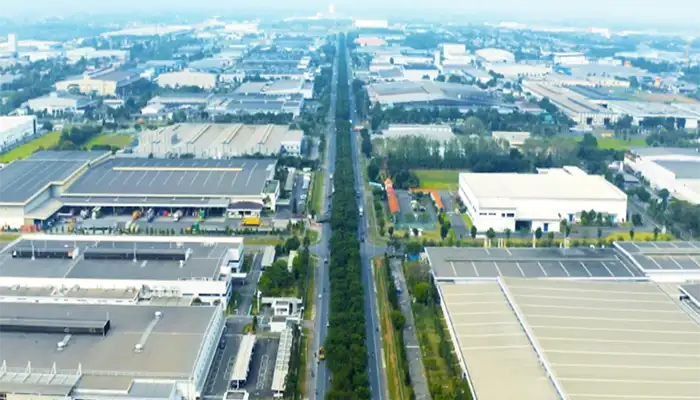
Bekasi sits just east of Jakarta, giving it a strategic advantage for industrial logistics. Its location makes it easy for factories to move heavy crane components efficiently. The city’s infrastructure supports both imports from overseas and local deliveries across West Java.
Some of the key logistical advantages include:
- Close access to Tanjung Priok Port: This is Indonesia’s main import hub, making it faster and more cost-effective to bring in crane components and crane kits from China.
- Highway connections to industrial zones: Smooth roads connect Bekasi to other key manufacturing areas, allowing large crane structures to be delivered without delays.
- Skilled engineers, EPC contractors, and installation teams: Local experts are ready to handle assembly, wiring, and commissioning, ensuring cranes are installed safely and efficiently.
Together, these factors mean faster logistics, lower transport costs, and more reliable project timelines for overhead crane installations.
Strong Local Fabrication Ecosystem
Bekasi is not just about logistics; it also has a well-developed local fabrication network. Many factories take advantage of local workshops to fabricate crane structures while sourcing specialized components from China.
The fabrication ecosystem includes:
- Steel structure workshops: Capable of producing main crane girders and other heavy components locally.
- Machining and fabrication facilities: Provide precision parts and modifications for cranes and crane kits.
- Installation and maintenance teams: Skilled local personnel handle assembly, testing, and ongoing maintenance.
This setup allows factories to combine local fabrication with imported components—a practical model where Chinese suppliers provide hoists, motors, and electrical systems while local teams handle structure fabrication and installation.
For Chinese crane suppliers, Bekasi represents an ideal market for overhead crane components and crane kits, with a strong potential for collaboration and repeat business.
Industrial Zones in Bekasi and Typical Crane Requirements
Bekasi hosts a variety of industrial zones, each with its own crane needs. Understanding these differences helps Chinese crane suppliers and local manufacturers provide the right solutions for efficiency, safety, and cost-effectiveness.
Automotive & Assembly Plants
Automotive factories in Bekasi often require cranes that support assembly lines and production workflows. These cranes must handle repetitive lifts while maintaining precision and safety.
Typical crane specifications include:
- 2–10 ton single girder cranes: Suitable for moving car components, engines, and sub-assemblies.
- Smooth operation and precise positioning: Essential to maintain assembly line speed and product quality.
- High reliability for daily production: Cranes must withstand continuous use without frequent breakdowns.
Chinese crane suppliers are preferred in these plants because they provide:
- Stable hoist quality: Consistent performance for repetitive lifts.
- VFD-controlled smooth motion: Allows precise speed control and safer handling.
- Competitive pricing for multiple units: Makes it economical to equip several production lines with uniform cranes.
Steel and Metal Fabrication Plants
Steel and metal fabrication workshops in Bekasi handle heavy plates, beams, and structures. Cranes in these plants need to lift heavier loads, often in continuous cycles.
Typical crane specifications include:
- 10–32 ton double girder cranes: Capable of handling heavy steel materials.
- High duty cycles: Cranes must operate for long periods without overheating or mechanical failure.
A common setup in these plants is:
- Local fabrication of girders: Reduces shipping costs and allows customization for workshop layouts.
- Imported hoists, motors, and electrical systems from China: Ensures high-quality lifting mechanisms and reliable control.
This model balances cost savings with performance, allowing factories to handle heavy materials efficiently.
General Manufacturing & Logistics
Smaller workshops, warehouses, and general manufacturing facilities in Bekasi need versatile and durable cranes. The focus is often on reliability and ease of maintenance rather than high lifting capacity.
Crane requirements in these facilities include:
- Simple, durable designs: Low maintenance and robust operation for daily tasks.
- Indoor and semi-outdoor use: Cranes must withstand typical workshop conditions.
- Easy maintenance: Minimizes downtime and keeps operations running smoothly.
In these cases, Chinese crane kits are often the most practical, flexible, and cost-effective solution, allowing factories to install cranes quickly and adapt them to multiple applications.
Industrial Growth in West Java and Rising Crane Demand
West Java has become one of Indonesia’s fastest-growing industrial regions. As factories expand and new projects emerge, the need for reliable lifting solutions has increased. This trend presents significant opportunities for Chinese crane suppliers who provide practical, cost-effective solutions for local manufacturers.
Factory Expansion and New Projects
With ongoing industrial growth in West Java, many factories are expanding their facilities or building new plants. This growth drives demand for cranes that can support higher production volumes and heavier materials.
The specific needs include:
- New overhead cranes: To equip newly built factories or production lines.
- Replacement of outdated systems: Older cranes are often less efficient or unsafe, prompting upgrades.
- Higher-capacity or safer lifting equipment: Factories require cranes that can handle heavier loads reliably and meet modern safety standards.
This expansion creates long-term, repeatable demand, making it an attractive market for Chinese suppliers who can deliver both quality and cost efficiency.
Shift Toward Mechanized and Safer Handling
Indonesian factories are moving away from manual lifting and less standardized systems. The focus is on mechanization, safety, and compliance, which aligns with global manufacturing standards.
Key trends include:
- Replacing manual lifting with mechanized systems: Improves productivity and reduces workplace injuries.
- Installing safer, standardized crane systems: Ensures consistent performance and compliance with local regulations.
Chinese suppliers are well-positioned to support this shift by providing:
- Standardized components: Easy to integrate into local workshop setups.
- Proven hoists and drives: Reliable performance for continuous operation.
- Scalable production solutions: Cranes and crane kits that grow with factory needs.
Crane Usage Patterns in Indonesian Factories
Factories in Indonesia use cranes in different ways depending on the type of industry and the tasks involved. Understanding these usage patterns is essential for Chinese crane suppliers to offer practical, reliable solutions that fit local operational needs.
Steel & Heavy Fabrication
Steel and heavy fabrication plants often handle large, heavy materials such as steel plates, beams, and fabricated structures. These factories require cranes that can operate continuously under tough conditions.
Key considerations include:
- Heavy-duty lifting and continuous operation: Cranes must handle long shifts without frequent breakdowns.
- Harsh working environments: Dust, heat, and vibrations are common in workshops.
- Priorities: Durability and reliability are more important than advanced automation features.
Automotive & Precision Manufacturing
Automotive assembly and precision manufacturing facilities rely on cranes to support assembly lines and repetitive tasks. The focus is on accuracy, speed, and safety.
Typical requirements include:
- Short, repetitive lifts: Cranes move components frequently throughout the day.
- High accuracy requirements: Precise positioning is essential for assembly operations.
- Priorities: Smooth motion, operator safety, and comfort are critical to maintain production quality.
Multi-Purpose Workshops
Smaller or multi-purpose workshops handle mixed load types and variable tasks. These facilities need cranes that are flexible and adaptable to different workloads.
Practical considerations include:
- Variable load sizes and tasks: Cranes must accommodate a range of materials and lifting needs.
- Flexibility is key: One crane may serve multiple production lines or functions.
- Solution: Chinese crane kits allow a single crane to handle multiple applications efficiently, offering a cost-effective and versatile option.
Local vs Imported Cranes: Indonesian Market Reality
In Indonesia, factories often choose between locally manufactured cranes and imported components. Each approach has its strengths, and in Bekasi, a hybrid model combining both has proven most practical.
Strengths of Local Crane Manufacturers
Local manufacturers have deep knowledge of fabrication, installation, and regulations, which makes them valuable partners for factories.
Key strengths include:
- Fabrication of crane structures: Local workshops can produce main girders and tailor designs to the factory layout.
- Installation and after-sales service: Immediate support from nearby teams ensures faster problem-solving.
- Understanding of local regulations: Compliance with Indonesian safety and operational standards is easier with local expertise.
Role of Chinese Suppliers
Chinese suppliers provide critical crane components that are often difficult or expensive to produce locally, offering cost-effective, high-quality solutions.
Their contributions include:
- Hoists, end carriages, motors, and electrical systems: Reliable components that meet performance and safety requirements.
- Components difficult to produce locally at competitive cost: Ensures factories get quality parts without inflating budgets.
Dominant Model in Bekasi
In practice, many Bekasi factories adopt a hybrid approach: Chinese crane kits combined with local fabrication and installation. This model balances performance, cost, and compliance.
The advantages are clear:
- Lower costs: Importing only critical components reduces total project expense.
- Faster delivery: Local fabrication of girders and on-site assembly speeds up installation.
- Compliance with Indonesian standards: Local teams ensure cranes meet regulations.
- Easier after-sales support: Maintenance and troubleshooting are simpler with local partners.
Strategies for Chinese Suppliers to Succeed in Bekasi
For Chinese crane suppliers, succeeding in Bekasi is not just about selling products—it’s about building practical partnerships with local manufacturers, installation teams, and factory operators. Understanding the market and adapting to local needs is key.
To be successful, suppliers should focus on:
- Providing clear technical drawings and documentation: Factories and local fabricators rely on accurate plans for safe and efficient crane assembly.
- Offering flexible crane kit configurations: Modular kits allow customization for different workshop layouts and industrial applications.
- Ensuring compatibility with Indonesian power supply: Electrical systems and motors must match local voltage and frequency standards.
- Maintaining stable quality and long-term spare parts supply: Consistent performance and availability of parts build trust and reduce downtime.
- Supporting local fabrication and installation partners: Collaborating with local teams ensures smooth assembly, faster delivery, and compliance with regulations.
Suppliers who position themselves as technology and component partners, rather than just exporters, tend to gain long-term business, repeat orders, and strong relationships in Bekasi’s industrial ecosystem.
Conclusion: Bekasi as a Collaborative Market
Bekasi’s emergence as Indonesia’s crane manufacturing and assembly hub is no accident. The city combines industrial density, skilled local teams, and growing factory demand, creating a fertile environment for overhead crane operations and crane kit installations.
Key factors driving Bekasi’s crane market include:
- Dense industrial clusters: Concentration of steel fabrication, automotive assembly, logistics, and general manufacturing facilities.
- Skilled local fabrication: Workshops capable of producing crane structures and handling installation and maintenance.
- Sustained manufacturing growth: Continuous expansion of factories and production lines fuels ongoing crane demand.
- Practical, cost-conscious buyers: Factories seek reliable, efficient, and affordable lifting solutions.
For Chinese overhead crane and crane kit suppliers, Bekasi is more than a sales market—it is an ecosystem for collaboration. Success here depends on partnership, technical support, and flexibility, rather than just competitive pricing. Suppliers who understand local needs and work closely with fabricators and installation teams are best positioned to thrive in this growing industrial hub.

Article by Bella ,who has been in the hoist and crane field since 2016. Bella provides overhead crane & gantry crane consultation services for clients who need a customized overhead travelling crane solution.Contact her to get free consultation.